
Advanced San Marcos Pediatric Dentistry: How We Use Atraumatic Restorative Treatment
What if treating your child's cavity required no drilling at all? San Marcos pediatric dentistry is changing how kids experience dental care, and ART might be the gentle approach your family has been looking for.
Atraumatic Restorative Treatment in San Marcos Pediatric Dentistry
What Is It?
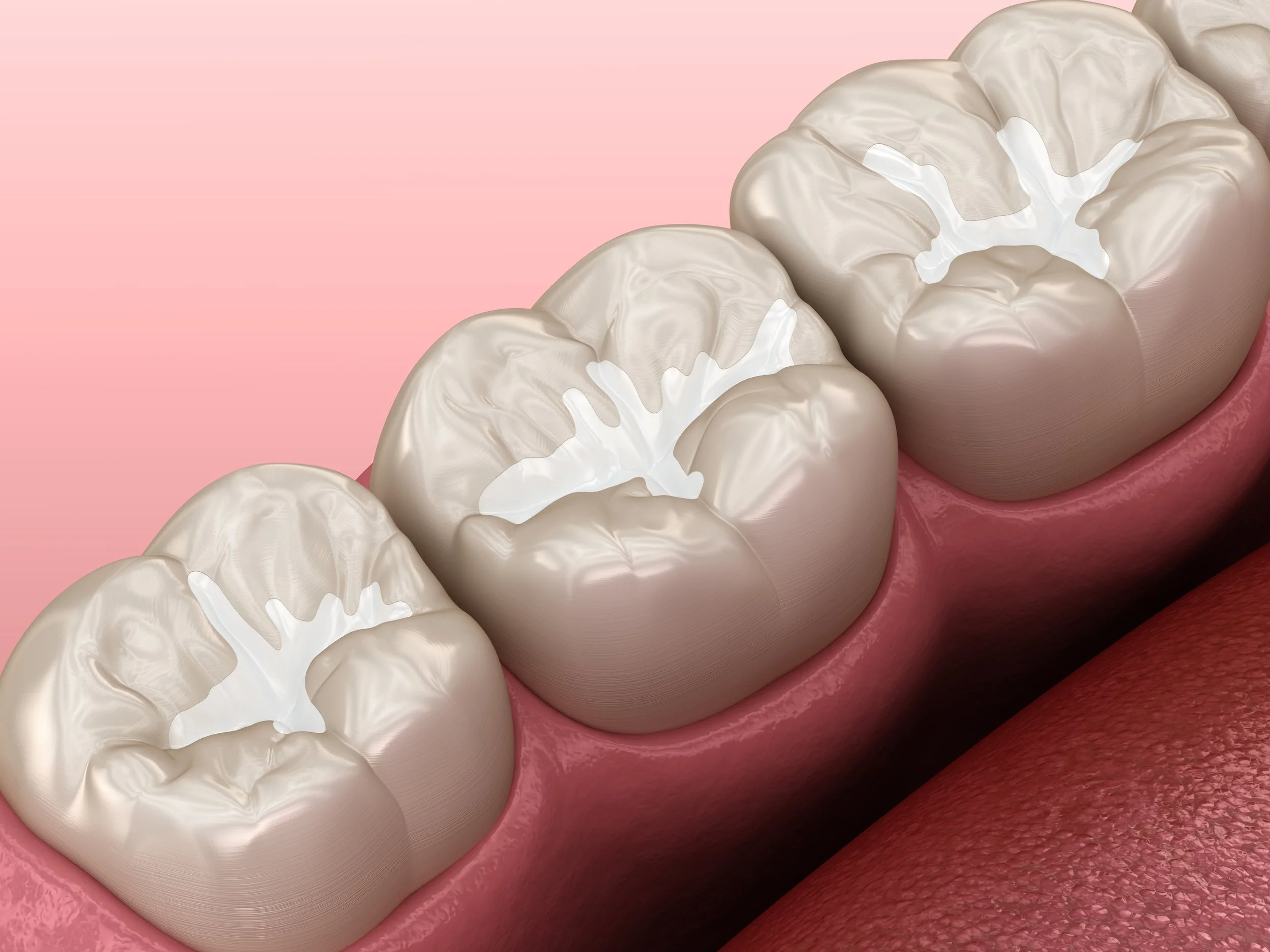
Atraumatic Restorative Treatment (ART) is a gentle, drill-free way to treat tooth decay. We carefully remove only the damaged part of the tooth using small hand tools, then seal it with a tooth-friendly filling material. Think of it like removing a rotten spot from an apple and applying a protective patch to keep the rest healthy.
Who Is It For?
ART is a great option for patients of all ages, especially if you feel anxious about dental visits. It is also ideal if you need care in community settings like schools or mobile clinics.
Key Benefits
- No drills or needles for a more comfortable experience
- Less anxiety and discomfort during treatment
- Healthy tooth structure is preserved
- Fluoride-releasing filling helps protect the tooth long-term
- Quick appointments with minimal equipment needed
How Does It Work?
We gently remove the soft, decayed areas of your tooth using small hand instruments. We then fill the space with a bonding material that seals and supports the remaining tooth. The whole process is straightforward, comfortable, and requires very few resources.
San Marcos Pediatric Dentistry: Our Gentle Approach to Treating Cavities
As providers of San Marcos pediatric dentistry, we believe that treating your child's cavity should never feel scary. Atraumatic Restorative Treatment, or ART, is a modern, drill-free method that makes dental care easier for kids and parents alike.
How ART Works
ART involves two simple steps that are gentle and effective. We use hand instruments to carefully remove decayed tooth material, then seal the area with a tooth-colored glass ionomer filling. This filling also releases fluoride to help protect the tooth long-term.
Why Families Love It
- No drilling or needles in most cases
- Less anxiety for children during the visit
- Quick and comfortable treatment experience
- Strengthens the tooth with fluoride-releasing material
Is ART Right for Your Child?
ART works best for early to moderate cavities in baby teeth and permanent teeth. We will evaluate your child's specific needs and recommend the most appropriate treatment. Our goal is always to keep your child's smile healthy while making every visit a positive one.
| Feature | Atraumatic Restorative Treatment (ART) | Traditional Drilling |
|---|---|---|
| Drilling Required | No | Yes |
| Needles/Anesthesia | Usually not needed | Typically required |
| Anxiety Level | Low | Higher for many patients |
| Filling Material | Glass ionomer (fluoride-releasing) | Composite resin or amalgam |
| Tooth Structure Preserved | Maximum preservation | More removal may occur |
| Best For | Early to moderate cavities, anxious patients | Moderate to severe cavities |
| Equipment Needed | Minimal hand instruments | Dental drill and suction |
Gentle, Stress-Free Fillings for Your Child
At Warner Pediatric Dental, we offer Atraumatic Restorative Treatment (ART) as a kinder, simpler way to treat cavities in children. This approach removes decay using hand tools rather than a drill, making the experience much more comfortable for your child.
We understand that dental visits can feel overwhelming for little ones. ART helps us treat tooth decay without the noise and vibration of traditional drilling, which means less anxiety and a smoother visit for both you and your child.
This gentle method is a great option for children who feel nervous about dental treatment. Our goal is to make every visit as positive as possible, so your child feels safe and confident in the dental chair.
Frequently Asked Questions About Atraumatic Restorative Treatment
What is atraumatic restorative treatment and how does it work for kids?
In San Marcos pediatric dentistry, we use ART to treat cavities without a drill. We gently remove only the decayed part of your child's tooth using small hand instruments, then fill and seal the area with a tooth-colored glass ionomer material. It is a straightforward, comfortable process that requires very little equipment. You can learn more about children's dental health through the American Academy of Pediatric Dentistry's parent resource portal.
Does atraumatic restorative treatment require needles or anesthesia?
In most cases, ART does not require needles or anesthesia. Because there is no drilling involved, your child typically experiences far less discomfort than with traditional fillings, making the visit much less stressful for everyone.
What type of cavities can be treated with ART in San Marcos pediatric dentistry?
ART works best for early to moderate cavities in both baby teeth and permanent teeth. We will evaluate your child's specific needs and recommend the most appropriate treatment to keep their smile healthy.
How does the filling material used in ART help protect my child's tooth?
We use a glass ionomer filling that actually releases fluoride over time. This helps strengthen and protect the remaining tooth structure long after your child's appointment is finished.
Is atraumatic restorative treatment a good option for children with dental anxiety?
Absolutely. ART is especially great for children who feel nervous about dental visits. Without the noise, vibration, and sensation of a traditional drill, your child is likely to feel much calmer and more comfortable throughout the entire treatment. Learn more about our behavior management options to support a stress-free experience.
Schedule Your Child's Visit Today
At Warner Pediatric Dental, we are committed to making dental care a positive experience for every child we see. If you're ready to explore a gentler way to care for your child's smile, reach out to us today to schedule a visit and discover how Atraumatic Restorative Treatment can make all the difference.